Maximize Efficiency: Top Data Center Facility Operations Services for Optimal Performance
Maximizing productivity in data centers is critical for organizations aiming to enhance operational output. Top Data Center Infrastructure Management (DCIM) services deliver critical tools for live surveillance and analytics. Solutions from ServiceNow, Sunbird, Schneider Electric, and Nlyte excel in this landscape. These services not only monitor equipment but also optimize resource allocation. Understanding how to select the right DCIM solution can result in significant enhancements. What factors should organizations consider to make an educated decision?
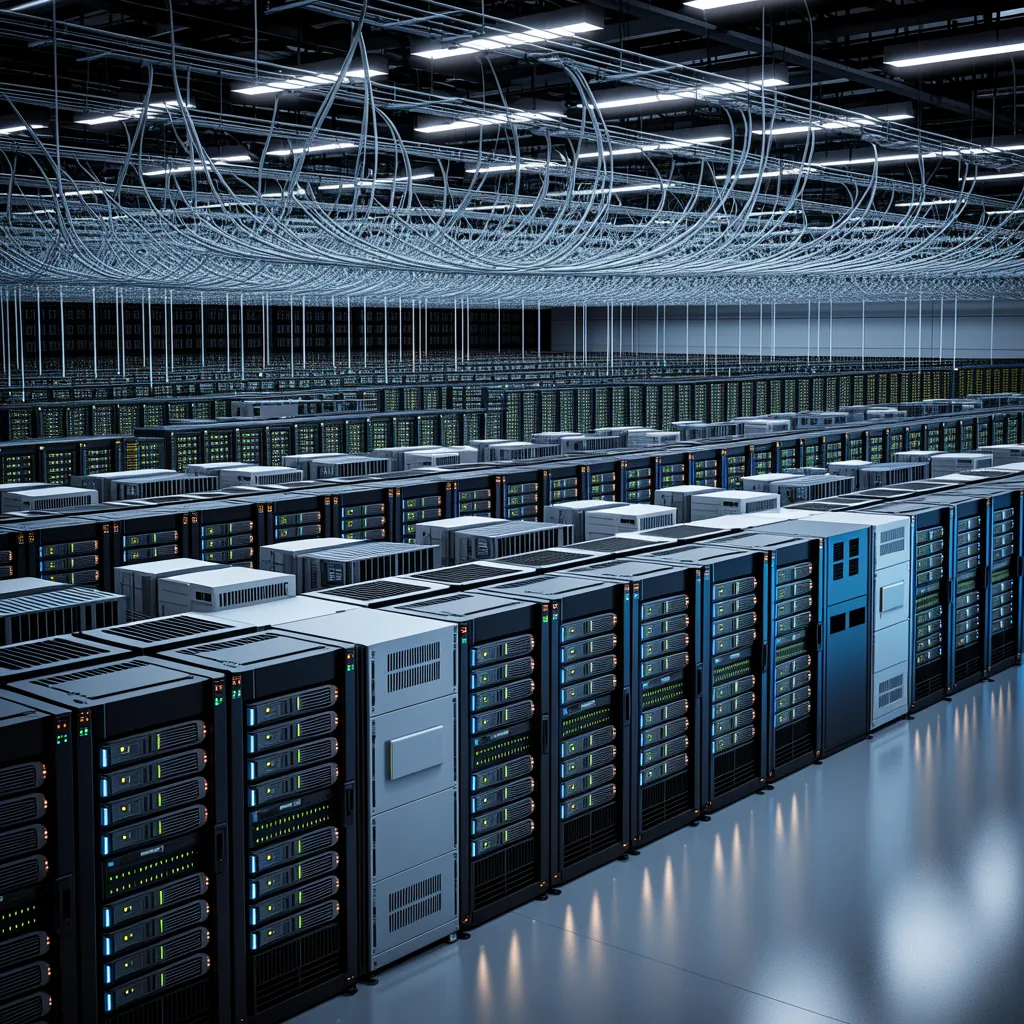
Premium DCIM Solutions for 2023
As companies increasingly rely on data centers to support their operations, identifying the top Data Center Infrastructure Management (DCIM) solutions for 2023 is vital. Leading DCIM services offer thorough offerings designed to improve resource management, improve operational efficiency, and guarantee robust monitoring capabilities. Notable players in the market include ServiceNow, recognized for its integration capabilities, and Sunbird, which excels in real-time visualization and reporting. Additionally, Schneider Electric delivers a powerful platform for energy management and asset tracking.
Another important competitor, Nlyte, specializes in improving data center performance through sophisticated analytics. These solutions not only facilitate better strategic choices but also assist with predicting upcoming needs. As data demands continue to grow, selecting a DCIM service that offers scalability and adaptability is critical. Ultimately, companies must assess their specific requirements to choose the most appropriate DCIM service, guaranteeing peak performance and reliability in their data administration strategies.
Exploring Data Center Infrastructure Management (DCIM)
Data Center Infrastructure Management (DCIM) covers a collection of instruments and methodologies created to monitor, manage, and optimize data center resources. By integrating IT and facility management, DCIM provides comprehensive insight into the efficiency and usage of critical assets. This method enables immediate information gathering, enabling operators to take knowledge-based actions regarding energy consumption, temperature management effectiveness, and space utilization.
DCIM systems commonly feature functionalities including equipment monitoring, demand forecasting, and environmental monitoring, which synergistically to boost operational efficiency. They provide data center managers the ability to spot inefficiencies, refine operations, and cut spending. Moreover, DCIM enables forward planning for scale-up efforts and helps enterprises adhere to compliance frameworks. Through adopting well-designed DCIM practices, data centers can gain increased stability, improved sustainability, and enhanced system efficiency, as a result contributing explanation to enhanced service delivery in a dynamic digital landscape.
Vital Traits for Identifying Superior DCIM Services
Choosing effective Data Center Infrastructure Management (DCIM) services requires careful evaluation of essential capabilities that enhance performance and asset optimization. Important attributes encompass immediate monitoring capabilities, allowing immediate insight into energy consumption and environmental conditions. Connectivity with existing infrastructure is also essential, as seamless communication fosters a cohesive strategy to data management.
Scalability functions as an important characteristic, allowing organizations to adjust as their infrastructure grows and changes. Advanced analytics can provide forecasting intelligence, supporting strategic planning and reducing downtime. User-friendly interfaces improve accessibility for various stakeholders, while strong protective protocols protect sensitive data.
At last, customization options warrant that DCIM services can be tailored to meet specific organizational needs. By focusing on these essential features, firms can determine DCIM services that not only streamline operations but also enable long-term sustainability and operational success.
Selecting the Optimal DCIM Solution for Your Needs?
How might an organization ascertain the best DCIM system designed to its unique needs? The evaluation process initiates with a thorough analysis of installed framework and routine requirements. Organizations should identify specific goals, such as improving uptime, enhancing resource efficiency, or optimizing capacity planning. Additionally, reviewing scalability is essential; a solution must adapt to prospective growth and technological advancements.
Following that, organizations must examine integration capabilities. The ideal DCIM solution should function smoothly with existing tools and platforms. Ease of use also holds importance; intuitive interfaces facilitate user implementation and operational efficiency.
In addition, organizations should review partner assistance and user participation, as ongoing assistance and resources can be meaningful. Conclusively, conducting a cost-benefit analysis validates that the chosen solution aligns with budget constraints while presenting the anticipated value. By sticking with these phases, institutions can confidently choose a DCIM offering that addresses their distinct requirements and strengthens overall performance.
Leveraging DCIM Platforms to Optimize Energy Efficiency
Using DCIM tools can significantly improve energy efficiency within data centers. By offering in-depth insights into power consumption and heat dynamics, these tools allow operators to detect inefficiencies and refine resource utilization. With current data on energy usage, data center managers can make informed choices about equipment placement and cooling strategies, ensuring that energy is not wasted.
DCIM tools also facilitate automation in monitoring and managing power loads, allowing for dynamic adjustments based on current demand. This flexibility can lead to substantial decreases in energy costs. In addition, sophisticated analysis features within DCIM tools can pinpoint areas for further optimization, promoting proactive measures rather than after-the-fact corrections.
Incorporating these solutions into daily operations creates a mindset of continuous improvement, ultimately pushing toward a eco-friendlier data center infrastructure. The result is not merely enhanced efficiency but also a reduced carbon footprint, aligning with comprehensive sustainability targets.
Real-Time Monitoring : The Backbone of DCIM Success
Real-time supervision represents a paramount feature in the triumph of Data Center Infrastructure Management (DCIM). By presenting boosted performance statistics, it allows proactive anomaly detection and streamlining of resource consumption. This characteristic conclusively adds to increased operational productivity and steadiness within data centers.
Advanced Performance Metrics
Tracking data center operational metrics is crucial for boosting performance and maintaining reliability. Advanced operational metrics offer essential intelligence into multiple operational dimensions, including power usage effectiveness, cooling system efficiency, and resource distribution. By utilizing real-time data, businesses can review their infrastructure's performance and flexibility, enabling better choices. Metrics including uptime measurements, latency metrics, and throughput performance support spot emerging patterns and determine expansion requirements. Furthermore, these measurements build team accountability across departments, informing strategic direction and capital allocation. Regular evaluation of operational data aids not just in comparison to sector performance standards while encourages an environment of continuous progress. In the end, advanced operational indicators function as a key basis of effective infrastructure management approaches, producing both operational superiority and business advantage.
Proactive Issue Detection
Proactive problem identification serves a vital purpose in ensuring the integrity of data center operations. By utilizing continuous surveillance mechanisms, data centers can detect emerging threats prior to escalation into severe breakdowns. This system allows teams to act quickly to irregularities in heat levels, electrical consumption, and machine performance. Perpetual observation ensures that any variations from standard parameters are highlighted right away, enabling for rapid intervention. As a outcome, the overall strength of the framework is strengthened, decreasing service interruptions and safeguarding service caliber. Moreover, preventive identification facilitates calculated decision-making regarding care schedules and budget distribution, in the long term enhancing system performance. Channeling resources in all-encompassing monitoring infrastructure is absolutely necessary for ensuring optimal functioning in current complex data environments.
Resource Utilization Enhancement
Successful administration of a data center's resources depends on the capacity to continuously track and analyze operational metrics. Real-time monitoring functions as the foundation for optimizing resource utilization, enabling data center managers to identify inefficiencies and distribute assets effectively. By utilizing advanced DCIM tools, organizations can collect essential information on power consumption, cooling efficiency, and workload distribution. This data permits for more knowledgeable decision making, ensuring that resources are utilized to their fullest potential. Additionally, real-time analytics enable immediate responses to changing demands, minimizing waste and enhancing overall performance. Ultimately, effective resource utilization optimization not only enhances operational efficiency but also contributes to sustainability goals, making it a crucial component of modern data center management strategies.
Next-Generation Advancements in Data Center Infrastructure Management
As data centers evolve to satisfy growing requirements for optimization and speed, emerging trends in Data Center Infrastructure Management (DCIM) are transforming the landscape. One notable development is the incorporation of artificial intelligence (AI) and machine learning, which enhances forecasting for capacity planning and power optimization. These technologies allow live tracking and automated responses to potential issues, significantly decreasing service interruptions.
Furthermore, the adoption of edge computing is driving a shift in DCIM strategies, as businesses seek to process data closer to its source for better speed and efficiency. This necessitates advanced management tools to maintain performance across distributed environments.
Sustainability is also at the leading edge, with an emphasis on lowering carbon footprints and optimizing resource consumption. Finally, the rise of hybrid cloud solutions demands more sophisticated DCIM systems that can smoothly manage both on-premises and cloud resources, providing maximum operational efficiency.
Frequently Posed FAQs
How Do I incorporate DCIM With Current Data Center Infrastructure?
To incorporate DCIM with existing data center systems, one should evaluate current infrastructure, guarantee compatibility, implement APIs for data exchange, and perform thorough testing to verify seamless operation and improved management capabilities across platforms.
How Much Is the Standard Cost to Install DCIM Solutions?
DCIM solution implementation commonly ranges from $20,000 to $150,000 in cost, varying with the data center size, infrastructure complexity, and the targeted capabilities needed to ensure optimal management.
Do specific compliance standards exist for DCIM Services?
Yes, there are specific compliance standards for DCIM services, including ISO 27001 for information security, PCI DSS for payment data security, and various environmental regulations that guide energy efficiency and eco-friendly operations within data centers.
How frequently Ought to I Upgrade My DCIM Software?
DCIM software updates should occur at least once per year, though quarterly updates are encouraged to guarantee superior performance, protective enhancements, and compliance with updated requirements. Regular assessments help determine when updates are critical for unique business requirements.
Are DCIM Tools Beneficial for Disaster Recovery Planning?
DCIM tools offer substantial support in emergency preparedness strategy through continuous oversight, asset management, and scenario simulations. This guarantees that data centers are adequately prepared for potential disruptions, enhancing overall resilience and recovery strategies.