Improve Output: Superior Data Center Resource Management Services for Outstanding Performance
Optimizing performance in data centers is necessary for organizations working to strengthen performance. Top Data Center Infrastructure Management (DCIM) services furnish essential features for instant monitoring and analytics. Solutions from ServiceNow, Sunbird, Schneider Electric, and Nlyte prove superior in this arena. These services not only supervise assets but also streamline resource deployment. Understanding how to determine the right DCIM solution can achieve significant improvements. What elements should organizations assess to make an sound decision?
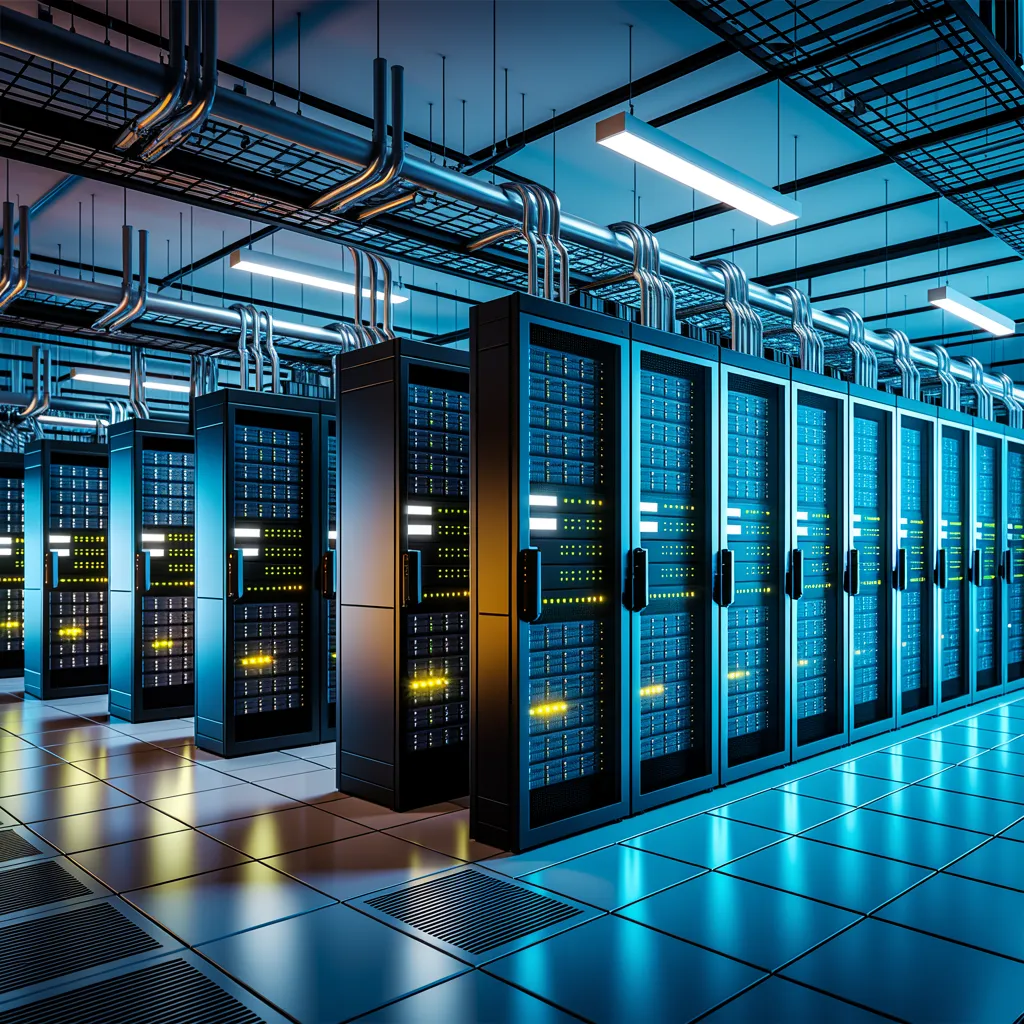
Premium DCIM Solutions for 2023
As organizations increasingly rely on data centers to support their business activities, identifying the best Data Center Infrastructure Management (DCIM) services for 2023 is vital. Top-tier DCIM services provide comprehensive solutions intended to improve resource management, boost operational efficiency, and ensure robust monitoring capabilities. Notable players in the market include ServiceNow, known for its integration capabilities, and Sunbird, which specializes in real-time visualization and reporting. Additionally, Schneider Electric provides a powerful platform for energy management and asset tracking.
Another key player, Nlyte, focuses on enhancing data center performance through advanced analytics. These services not only enable improved strategic choices but also assist with forecasting upcoming needs. As data demands continue to increase, selecting a DCIM service that offers scalability and versatility is critical. Ultimately, companies must assess their particular needs to choose the most suitable DCIM service, ensuring optimal performance and reliability in their data management strategies.
Learning about Data Center system administration (DCIM)
Data Center Infrastructure Management (DCIM) includes a collection of instruments and practices intended to monitor, manage, and optimize data center assets. By combining IT and infrastructure oversight, DCIM provides thorough insight into the performance and utilization of essential systems. This method facilitates immediate information gathering, allowing operators to make informed decisions regarding power usage, cooling efficiency, and space utilization.
DCIM offerings regularly deliver capabilities like asset tracking, growth planning, and environmental monitoring, which in concert strengthen productivity. They equip operational leaders to identify problem areas, enhance procedures, and decrease overhead expenses. In addition, DCIM facilitates strategic planning for upcoming growth and assists entities to meet industry guidelines. By embracing successful DCIM strategies, data centers can secure higher reliability, improved sustainability, and greater overall performance, finally enabling improved customer service in a swiftly advancing digital landscape.
Key Elements for Picking Powerful DCIM Services
Selecting effective Data Center Infrastructure Management (DCIM) services requires careful evaluation of essential capabilities that improve operational efficiency and asset optimization. Important characteristics encompass real-time monitoring capabilities, allowing instant visibility into power usage and environmental conditions. connectivity with existing infrastructure is also essential, as seamless data exchange promotes a cohesive approach to information handling.
Scalability represents another significant feature, enabling organizations to adjust as their infrastructure grows and transforms. Advanced analytics can deliver predictive insights, supporting proactive decision-making and reducing downtime. User-friendly interfaces improve accessibility for multiple in-depth article users, while strong protective protocols safeguard sensitive data.
At last, configuration options warrant that DCIM services can be tailored to meet targeted operational goals. By emphasizing these core functionalities, firms can determine DCIM services that not only optimize performance but also contribute to perpetual development and competitive advantage.
Identifying the Most Appropriate DCIM Option Designed for Your Needs?
How might an institution ascertain the best DCIM solution designed to its unique needs? The evaluation process initiates with a meticulous analysis of existing infrastructure and routine requirements. Organizations should identify specific goals, such as improving uptime, improving resource utilization, or optimizing capacity planning. Additionally, reviewing flexibility is important; a solution must conform to future growth and modern advancements.
Subsequently, organizations must review integration options. The ideal DCIM solution should work smoothly with current tools and systems. Usability also plays a significant role; straightforward interfaces support user adoption and operational efficiency.
Furthermore, companies should investigate supplier assistance and community involvement, as continuous support and resources can be significant. In conclusion, conducting a financial evaluation ensures that the selected option complies with financial limitations while providing the expected benefits. By following these procedures, organizations can securely choose a DCIM platform that meets their particular requirements and improves overall performance.
Implementing DCIM Resources to Elevate Energy Efficiency
Implementing DCIM tools can greatly enhance operational efficiency within data centers. By providing thorough understanding into power consumption and temperature management, these tools permit operators to identify inefficiencies and optimize resource allocation. With real-time data on power consumption, data center managers can reach informed decisions about equipment placement and thermal strategies, guaranteeing that energy is not lost.
DCIM solutions also promote automated management of power loads, allowing for dynamic adjustments based on current demand. This responsiveness can lead to significant reductions in energy costs. In addition, advanced analytics within DCIM tools can pinpoint areas for further refinement, promoting proactive measures rather than reactive fixes.
Merging these tools into daily operations encourages a ethos of sustained betterment, ultimately yielding a more sustainable data center environment. The takeaway is not simply streamlined performance but also a lessened carbon emissions, adhering with broader environmental goals.
Real-Time Analysis : The Cornerstone of DCIM Success
Real-time observation acts as a critical component in the effectiveness of Data Center Infrastructure Management (DCIM). By delivering improved performance metrics, it enables preventive issue detection and improvement of resource utilization. This capability ultimately contributes to enhanced operational performance and reliability within data centers.
Optimized Performance Analytics
Assessing infrastructure system operational status constitutes an urgent requirement for enhancing performance levels and guaranteeing dependability. Advanced operational benchmarks communicate important analytical insights concerning broad infrastructure domains, incorporating energy consumption standards, cooling performance metrics, and equipment allocation. Via accessing real-time analytics, business organizations can gauge their system durability and responsiveness, enabling data-driven decisions. Performance tracking tools like server accessibility, system latency, and bandwidth utilization prove useful in pattern identification and establishing resource forecasts. Simultaneously, these indicators foster organizational responsibility, shaping investments and long-term planning. Recurring data evaluation of system performance data assists with external comparison versus standard metrics and nurtures a framework for continuous advancement. At its core, superior performance indicators function as a foundational basis in robust infrastructure administration, yielding operational superiority and competitive advantage.
Active Issue Monitoring
Proactive problem identification is fundamentally important in ensuring the robustness of data center operations. By utilizing continuous surveillance mechanisms, data centers can detect possible issues before they intensify into catastrophic failures. This methodology allows teams to respond with urgency to unexpected behaviors in ambient temperature, energy usage, and machine performance. Active vigilance ensures that any variations from baseline conditions are brought to attention right away, enabling for rapid intervention. As a consequence, the overall dependability of the technical foundation is amplified, lowering service interruptions and safeguarding service caliber. Moreover, preventive identification promotes strategic planning regarding service plans and spending allocation, over time enhancing system performance. Allocating investment in comprehensive tracking systems is absolutely necessary for ensuring superior output in current complex data environments.
Resource Utilization Improvement
Skilled management of a data center's resources is contingent on the ability to perpetually evaluate and track operational metrics. Real-time observation serves as the foundation for optimizing resource utilization, granting data center managers to uncover inefficiencies and provision assets effectively. By leveraging advanced DCIM tools, organizations can gather essential information on power consumption, cooling efficiency, and workload distribution. This data supports for more prudent decision making, ensuring that resources are utilized to their fullest potential. Additionally, real-time analytics foster immediate interventions to changing demands, minimizing waste and advancing overall performance. Ultimately, effective resource utilization optimization not only elevates operational efficiency but also contributes to sustainability goals, making it a fundamental component of modern data center management strategies.
Next-Generation Innovations in Data Center Infrastructure Management
As data centers mature to address surging requirements for optimization and capability, novel trends in Data Center Infrastructure Management (DCIM) are reimagining the terrain. One notable shift is the fusion of machine learning systems (AI) and machine learning, which refines forward-looking analysis for space planning and power optimization. These platforms permit real-time monitoring and self-executing corrections to looming obstacles, greatly minimizing interruptions.
Moreover, the adoption of edge computing is driving a shift in DCIM strategies, as businesses endeavor to process data adjacent to its source for superior speed and effectiveness. This calls for advanced administrative platforms to maintain performance across distributed environments.
Sustainability remains at the forefront, focusing on reducing carbon footprints and optimizing how resources are consumed. Lastly, the growth of hybrid cloud solutions requires more sophisticated DCIM systems capable of seamlessly handling both on-premises and cloud resources, providing the highest operational efficiency.
Frequently Asked FAQs
How Can I connect DCIM With Current Data Center Systems?
To incorporate DCIM with existing data center systems, one should evaluate current infrastructure, guarantee compatibility, implement APIs for data exchange, and perform thorough testing to verify seamless operation and improved management capabilities across platforms.
What Is the Average Cost of Implementing DCIM Solutions?
DCIM solution implementation commonly ranges from $20,000 to $150,000 in expense, shifting according to the data center size, infrastructure complexity, and the particular features required to achieve ideal management.
What specific compliance standards pertain to DCIM Services?
Certainly, particular regulatory requirements exist for DCIM services, including ISO 27001 for information security, PCI DSS for payment card industry standards, and multiple environmental guidelines that guide power consumption optimization and sustainability practices within data centers.
How often Ought to I Upgrade My DCIM Software?
DCIM software updates should take place at least once yearly, though quarterly updates are recommended to guarantee maximum performance, security improvements, and conformity with advancing requirements. Routine assessments help recognize when updates are required for distinct business objectives.
Do DCIM Platforms Aid Disaster Recovery Planning?
DCIM tools offer substantial support in emergency preparedness strategy through real-time monitoring, asset management, and contingency modeling. This makes certain that data centers are adequately prepared for potential disruptions, enhancing overall robustness and contingency approaches.